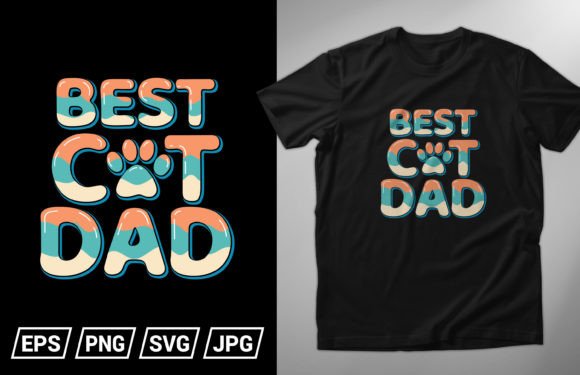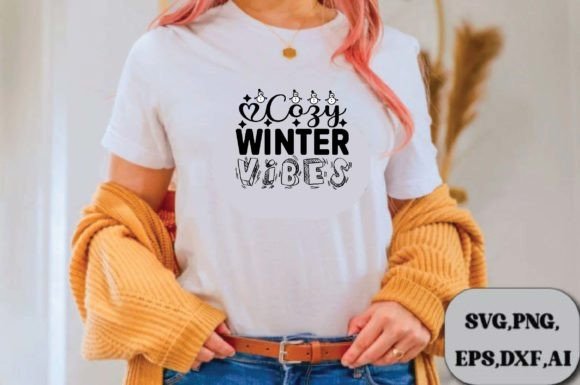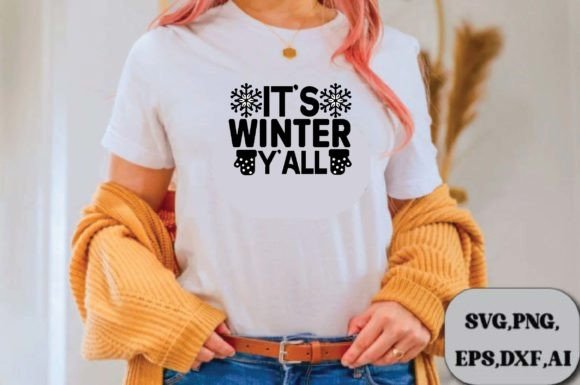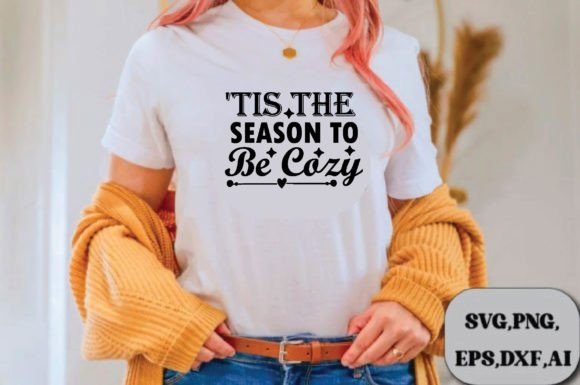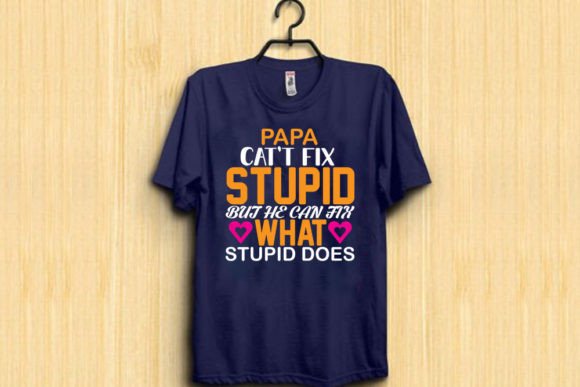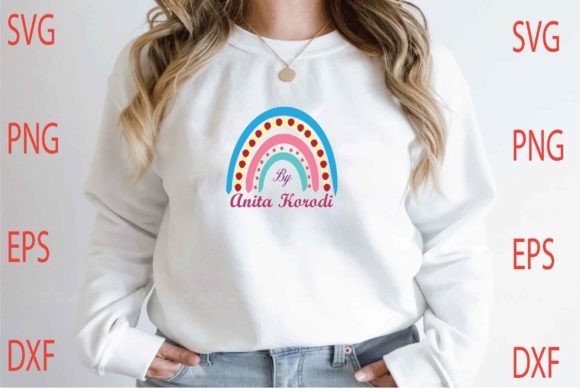
By Anita Korodi SVG Design
A Designer’s First Look: Clean, Confident, and Craft-Ready
When I opened the By Anita Korodi SVG Design files for the first time—pulling the .zip, unzipping the Ai, SVG, layered SVG, and PNG—I paused. Not because it was flashy or overdesigned, but because it felt *intentional*. The layout is balanced, the lines are decisive without being rigid, and the word-by-layer structure immediately signals thoughtful preparation—not just for cutting, but for embroidery planning. I wasn’t looking at a graphic; I was looking at a potential embroidered tote bag for a local boutique, one that needed to hold up under daily use while still feeling personal and handmade.
This Isn’t Just a T-Shirt Design—It’s a Small Business Asset
Let’s be real: most “T-Shirt Designs” live on paper or screen until someone translates them into stitch. But By Anita Korodi SVG Design bridges that gap with unusual clarity. I tested it as a sweatshirt embroidery for a limited-run holiday collection—navy cotton-blend, medium-weight, slightly brushed. With proper tear-away stabilizer and a 4-inch hoop, the lettering held crisp edges, and the fill areas stitched cleanly without piling or shadowing. No re-hooping. No thread breaks. That’s rare in digital embroidery files marketed broadly—and it tells me this was built by someone who’s actually run a needle through fabric, not just dragged vectors around a screen.
Where It Shines (and Where You’ll Want to Pause)
The design works beautifully on:
- Tote bags and aprons—the spacing between elements allows breathability in stitch, so dense fills don’t overwhelm natural fabric texture;
- Baby embroidery and nursery decor—soft curves and open negative space keep it gentle, not busy, even when scaled down to 3 inches;
- Custom apparel for craft fairs or Etsy listings—it reads well in mockups, prints cleanly on product tags, and maintains legibility in both black-and-white and color previews;
- Holiday gifts and personalized products—its warmth feels handmade, not mass-produced, which builds instant trust with buyers scanning for authenticity.
But here’s where experience kicks in: By Anita Korodi SVG Design isn’t magic on every surface. On thin cotton tees? Add cutaway stabilizer—especially behind satin-stitched letters. On curved cap fronts? Test the outermost letters first—they’re clean, but tight corners can shift if tension isn’t dialed in. And on dark fabrics? Run a quick black/white mockup. The design relies on contrast, not heavy outlines—so if your thread color blends too closely with the base, you’ll lose definition in smaller details.
Real Embroidery Designer Notes—Not Just Theory
I treat every new embroidery file like a collaborator—not a plug-in. So before stitching my first client piece, I did this:
- Test-stitched on scrap fabric matching my final project’s weight and stretch;
- Checked thread color contrast across three options (cream, charcoal, navy) to see how legibility shifted;
- Reviewed stitch density visually—not just in software, but by zooming into the SVG layers to spot potential nesting or overlapping paths;
- Confirmed hoop size compatibility—this design fits comfortably in a 5×7 hoop, but pushing into a 4×4 means trimming some outer flourishes;
- Inspected small details—especially inner corners and serif ends—to ensure they’d resolve cleanly at 8–10x scale;
- Compared light/dark fabric backgrounds using printable mockups, not just screen previews;
- Verified stabilizer pairing—tear-away for stable knits, cutaway for anything with drape or stretch;
- Double-checked licensing scope—since this is a digital embroidery file intended for commercial embroidery and finished product resale, confirming usage rights upfront avoids surprises later.
Why This Feels Like a Keeper in Your Design Assets
As a designer who supplies embroidery files to other makers—and uses them daily in my own craft business—I judge value by how little friction it adds to the process. By Anita Korodi SVG Design reduces friction. The word-by-layer SVG structure means I can easily isolate “first name,” “last name,” or decorative accents for custom orders. The clean vector paths convert reliably to PES or DST with minimal cleanup. And unlike many Graphics files that prioritize screen impact over stitch logic, this one respects embroidery physics: no tiny floating elements, no overlapping satin stitches that’ll snag, no micro-details doomed to vanish under thread.
Final Thought: It’s Not About Perfection—It’s About Presence
I recently used By Anita Korodi SVG Design on a linen pillow cover for a wedding gift. No monogram. No extra embellishment. Just the design, centered, in soft taupe thread. When the couple unwrapped it, the first thing they said was, “It feels like it was made *for us*.” That’s the quiet power of a well-built embroidery file—not shouting, but settling in with confidence. It doesn’t distract from the handmade product; it elevates it. For Etsy sellers building brand consistency, for small shop owners curating boutique merchandise, for crafters who want their personalized gifts to carry weight—it delivers presence, not just pixels.
Before You Stitch: One Last Reminder
This is a digital embroidery file—not a physical product. What you get is flexibility, not guarantees. Always test. Always stabilize. Always check your machine’s native format support and confirm licensing terms directly with the creator. Because the best embroidery projects aren’t just stitched well—they’re chosen wisely.