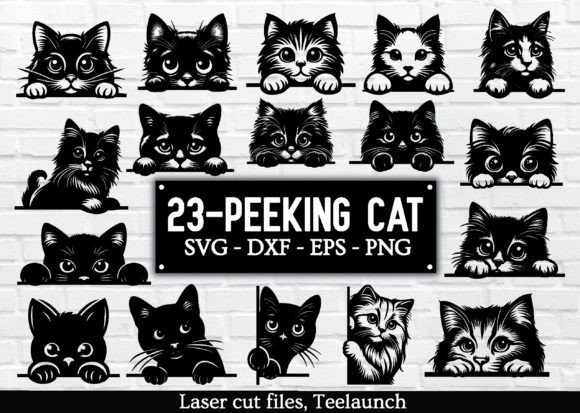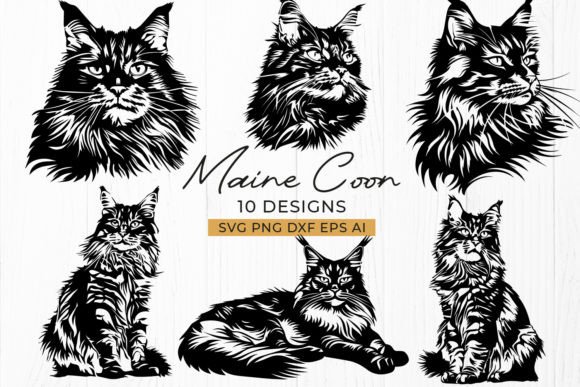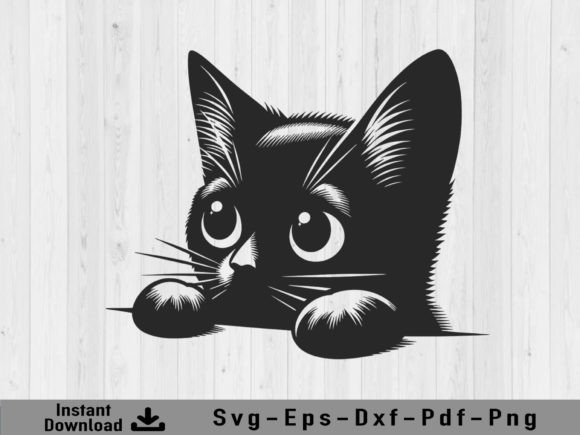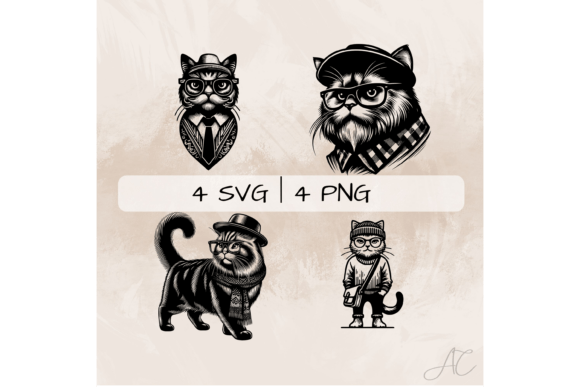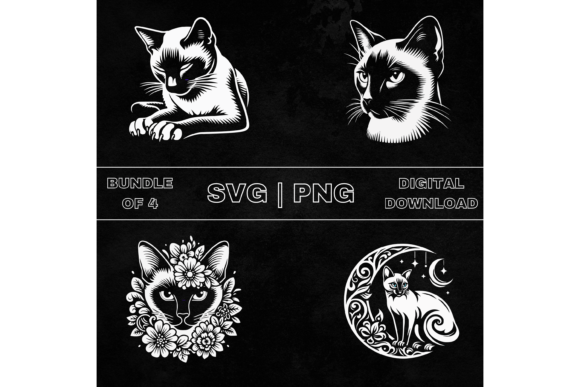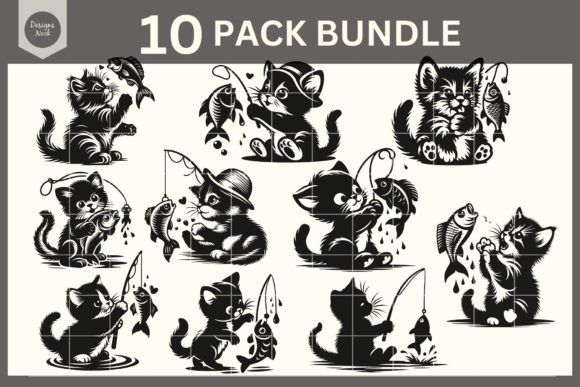
Cat SVG Bundle: Kitten SVG & Cat Vector
As a designer who’s stitched hundreds of cat-themed pieces—from baby onesies to boutique aprons—I opened the Cat SVG Bundle, Kitten Svg, Cat Vector with quiet curiosity, not hype. I wasn’t looking for “cute.” I was looking for stitchable. So I loaded it into my embroidery software, scaled it for a 4-inch hoop, and ran a test on cotton twill—exactly how I’d prep for a custom embroidered tote bag for a local pet rescue fundraiser.
A First Impression That Feels Like a Conversation
The Cat SVG Bundle, Kitten Svg, Cat Vector doesn’t shout. It leans into gentle curves, soft silhouette edges, and just enough detail—like whisker hints and subtle ear contours—to read clearly at 3–4 inches without demanding dense fill stitches. It’s friendly but not childish, stylized but not abstract. That balance matters when you’re stitching for real people: a new mom choosing nursery decor wants warmth, not cartoon chaos; an Etsy seller curating a minimalist gift line needs cohesion, not clutter.
I immediately pictured it as a single chest emblem on a charcoal sweatshirt—no background, no border—just clean negative space around the cat’s outline. That’s where this bundle shines: it’s built for breathing room, not busy fills. It’s not an applique design begging for fabric layers or satin-stitched borders. It’s a vector-first asset that translates cleanly into embroidery files—provided you convert thoughtfully.
Where It Lives Best (and Where It Needs Guardrails)
In practice, the Cat SVG Bundle, Kitten Svg, Cat Vector works beautifully for:
- Custom apparel: Sweatshirts, t-shirts, and lightweight jackets—especially when placed on the left chest or back yoke. The open shape avoids puckering on stretchy knits if digitized with moderate stitch density.
- Tote bag design: A centered 3.5-inch version reads perfectly from across a craft fair table. No tiny details get lost in canvas texture.
- Baby embroidery: On organic cotton burp cloths or knit caps, its simplicity holds up after repeated washing—and parents appreciate subtle charm over loud graphics.
- Embroidered patch: When converted to a clean, low-density fill stitch layout, it patches well onto denim jackets or backpacks without stiffening the fabric.
- Holiday embroidery: As part of a small trio (kitten, sleeping cat, paw print) on kitchen towels or tea towels—it adds seasonal warmth without competing with text or patterns.
But here’s where attention is non-negotiable:
- Small hoop sizes (<4 inches): Avoid shrinking below 2.75 inches. Fine ear tips and inner curve definition start to blur—especially on textured fabrics like terry cloth or bouclé.
- Dark fabric: Test thread color contrast early. Light gray or heathered threads can disappear on black or navy unless stitch density is slightly increased—or you add a subtle underlay.
- Curved surfaces (caps, curved pillow covers): The design’s balanced weight helps, but avoid placing the cat’s face directly over a seam or crown curve unless you’ve tested stabilization on a similar garment.
- Frequent-wash items (baby clothes, kitchen towels): Confirm your digitizer uses secure running stitch outlines and avoids overly delicate interior lines—those won’t survive 30+ cycles without fraying.
What It Does for Your Craft Business—Beyond the Stitch
For an Etsy seller or small shop owner, the Cat SVG Bundle, Kitten Svg, Cat Vector isn’t just a graphic—it’s a brand tone-setter. Its consistency across products (a matching tote + tea towel + baby bib set) builds visual trust. Customers recognize the same quiet confidence in each piece. That matters more than you think: handmade presentation isn’t about perfection—it’s about intention. This bundle signals intention.
It also scales ethically for commercial embroidery. Because it arrives as vector files (.svg and .eps), you control the conversion process—no hidden stitch counts or locked layers. You decide whether it becomes a single-color running stitch motif for a linen apron, or a layered satin-and-fill combo for a boutique pillow cover. That flexibility supports both personal projects and client work—if licensing permits resale of finished items. Always confirm that before listing on Etsy or bundling into digital product previews.
Practical Designer Notes You’ll Actually Use
Before cutting thread or uploading to your machine:
- Test on scrap fabric first—same fiber content and weight as your final project. Watch how the curves hold on brushed cotton versus smooth poplin.
- Check thread color contrast in natural light and on camera. A soft peach thread might glow on ivory linen but vanish on oatmeal.
- Review stitch density in your embroidery software. If the original vector has tight interior curves, your digitizer may need to simplify them—not force every vector anchor into stitches.
- Confirm hoop size compatibility. This isn’t a 1-inch pocket logo—it’s best at 3–5 inches. Don’t squeeze it into a cap front unless you’ve validated clarity at 2.5 inches.
- Inspect small details at actual stitch scale: Do those whisker lines translate as readable running stitches—or just fuzzy noise?
- Test in black and white mockups. If it loses personality in grayscale, it’ll struggle on dark fabric or low-contrast merch.
- Use proper stabilizer. Medium-weight cutaway works for most apparel; tear-away suffices for stable woven totes or tea towels.
- Verify licensing before selling finished embroidered items or packaging this as part of a digital embroidery file collection.
This isn’t a “plug-and-play” embroidery file—it’s a starting point. And that’s exactly what seasoned designers need: clean, intentional, adaptable design assets that respect the craft behind the stitch. The Cat SVG Bundle, Kitten Svg, Cat Vector delivers that. Not flash. Not fluff. Just quiet, confident utility—for your next handmade product, personalized gift, or small shop launch.