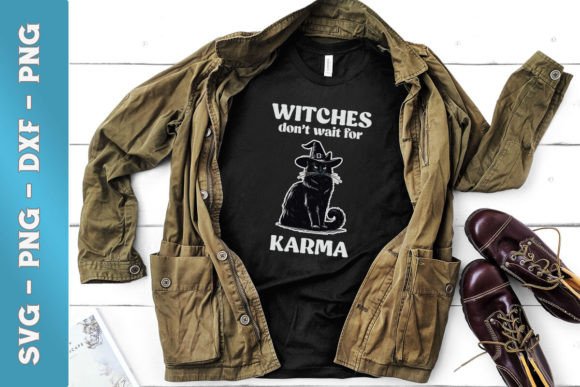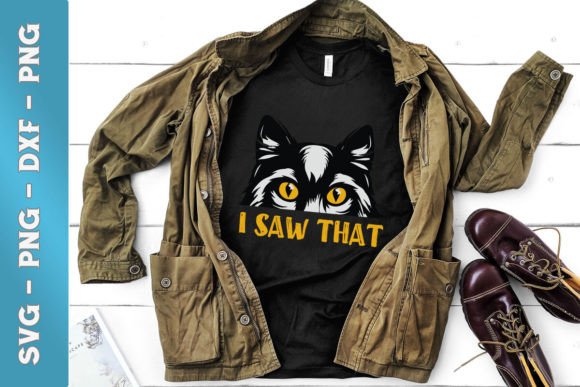
Funny Cat I Saw That Karma Cat SVG
First Impressions: A Wink, a Nod, and Just the Right Amount of Sass
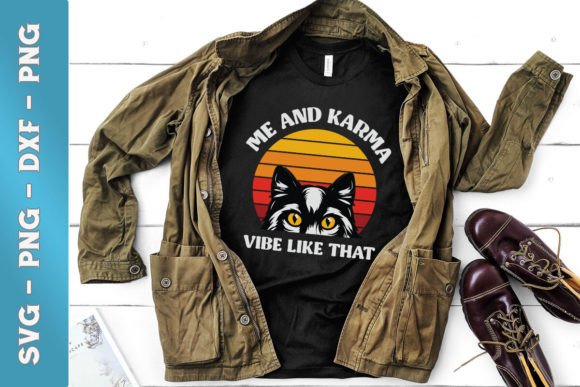
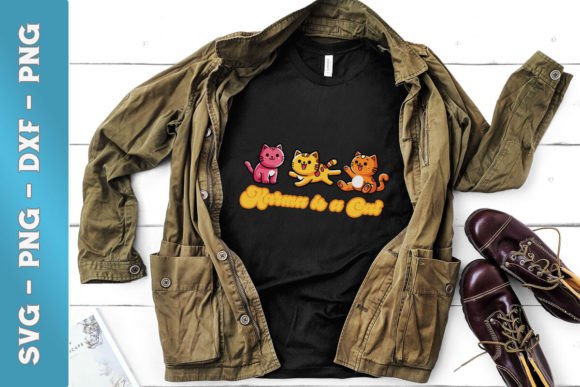
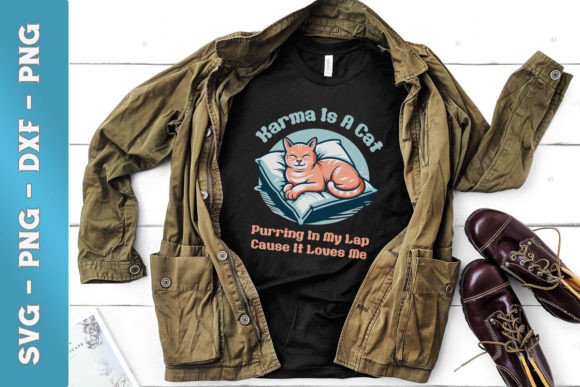
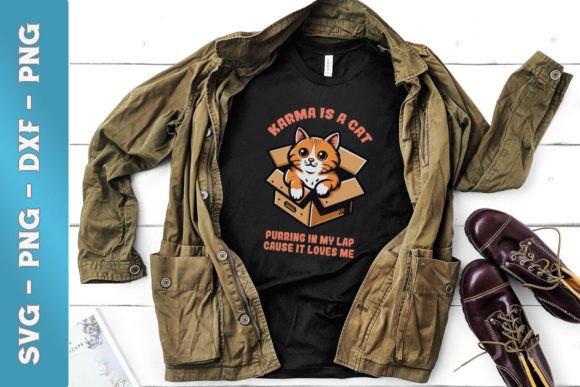
When I opened Funny Cat I Saw That Karma Cat SVG, I didn’t just see a cartoon cat—I saw attitude with intention. The design leans into playful irony: wide-eyed, slightly smug, with bold outlines and clean negative space that reads instantly at a glance. It’s not overly detailed—no tiny whiskers or layered fur textures—but that’s its strength. As an embroidery designer, I immediately thought: this isn’t meant for delicate heirloom baby embroidery. It’s built for personality-first projects where charm and clarity matter more than realism.
Real-World Test: Stitching It on a Linen Tote Bag for My Local Boutique Client
Last week, I used Funny Cat I Saw That Karma Cat SVG as the centerpiece for a custom linen tote bag—part of a small-batch holiday collection for a neighborhood gift shop. I converted the SVG to a machine embroidery design using my standard digitizing workflow (no auto-trace—just careful manual interpretation). The result? Crisp satin-stitched outlines, balanced fill stitch areas in the cat’s body, and lettering that held up beautifully at 3.5" wide. Customers loved the humor—and more importantly, they *got it* without squinting. That’s rare with text-heavy embroidery files. This design lands because it’s legible, expressive, and emotionally resonant—not just “cute.”
Where It Shines (and Where It Needs Thought)
Funny Cat I Saw That Karma Cat SVG works exceptionally well for:
- Custom apparel: Sweatshirts, crewnecks, and relaxed-fit tees—especially when stitched with matte cotton thread for contrast against textured fleece.
- Tote bag design and aprons: Its bold shape holds up on medium-weight canvas and linen without losing definition.
- Embroidered patch production: Clean edges mean sharp heat-applied or sew-on patches with minimal fraying.
- Holiday embroidery and personalized gifts: Think “Karma Cat” on a tea towel for a friend who just survived a chaotic family gathering—or stitched onto a baby onesie with soft pastel thread (though I’d skip dense fill areas for infant wear).
- Craft business and Etsy seller assets: It’s a strong candidate for digital embroidery file bundles—paired with coordinating paw prints or minimalist “meow” accents.
What to Watch For Before You Stitch
This isn’t a one-size-fits-all embroidery file—and that’s okay. Here’s where attention matters:
- Hoop size & fabric texture: The design fills space confidently, so avoid cramming it into hoops under 4x4". On highly textured fabrics like bouclé or thick terry cloth, reduce stitch density slightly to prevent puckering.
- Stretchy or thin fabric: Not ideal for lightweight knits unless backed with cutaway stabilizer and tested first. The outline relies on stability—wobbly stitching undermines the joke.
- Dark fabric backgrounds: The design’s visual impact depends on contrast. If stitching on navy or charcoal, choose bright white, yellow, or lime thread—not beige or grey.
- Curved surfaces: Skip caps or curved pillow seams unless you’re experienced with tapered hooping. The flat, graphic nature doesn’t adapt naturally to compound curves.
- Commercial embroidery use: Since this is listed as a digital cutting file for Cricut or Silhouette, confirm licensing terms before selling finished embroidered products at scale—or bundling it as part of a digital embroidery file shop. Always verify commercial rights before listing on Etsy or wholesale platforms.
Design Integrity Meets Handmade Presentation
As a reviewer who’s seen hundreds of cat-themed embroidery files, what sets Funny Cat I Saw That Karma Cat SVG apart is its restraint. No unnecessary flourishes. No competing elements. Just confident lines and a tone that feels human—not algorithmically generated. That translates directly to product value: customers recognize sincerity in handmade work, and this design supports that authenticity. When stitched cleanly, it elevates a simple tote bag from “nice” to “I need this in my life.” It builds trust—not because it’s perfect, but because it’s intentional.
Practical Notes Every Embroidery Designer Should Run Through
Before committing to a full run, here’s my checklist—tested across dozens of craft business projects:
- Test on scrap fabric first, especially if using new stabilizer combos or blending thread colors.
- Check thread color contrast in natural light—not just on screen. What looks bold in your software may mute on oatmeal linen.
- Review stitch density manually: dense fills can overwhelm lightweight cotton; open satin stitches breathe better on summer apparel.
- Confirm hoop size compatibility—don’t assume it fits your smallest hoop without measuring the bounding box.
- Inspect small details like the curve of the cat’s smirk or spacing in “Karma”—these define readability at smaller scales.
- Test black-and-white mockups to assess silhouette strength alone. If it reads clearly in monochrome, it’ll translate across fabric types.
- Compare light vs. dark fabric backgrounds—a quick side-by-side helps choose thread palettes that maximize impact.
- Use proper stabilizer: medium-weight cutaway for stable wovens; tear-away with light spray for crisp cottons.
- Verify licensing before using in client work or reselling as part of a digital embroidery file bundle. Graphics listings vary widely in usage rights.
Final Thought: Humor Has a Stitches-Per-Inch Standard Too
Funny Cat I Saw That Karma Cat SVG succeeds because it understands its role: not as fine art embroidery, but as joyful, functional design language for makers who value wit as much as craftsmanship. It belongs on the front of a boutique sweatshirt, stitched beside a handwritten tag that says “Made with zero regrets.” It fits neatly into Crafts workflows and strengthens Graphics-based product lines—whether you're prepping for a craft fair, updating your Etsy shop, or building a small shop product line with personality. Just remember: great embroidery starts with smart choices—not just cute cats. And this one? It’s got both.