Halloween Cat SVG, Cat Halloween Pumpkin
A Designer’s First Glance: Playful, Not Precious
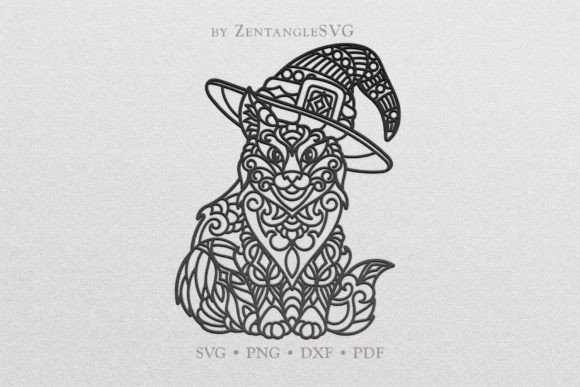
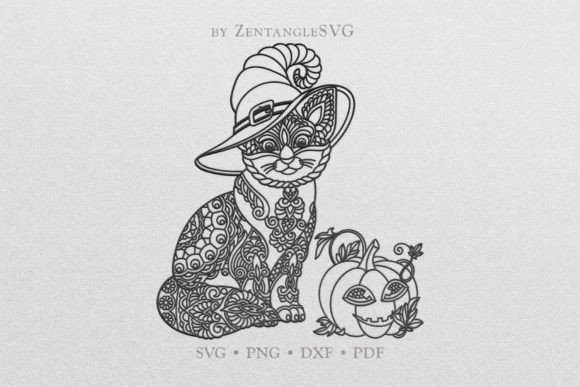
When I opened the Halloween Cat SVG, Cat Halloween Pumpkin, my eye landed first on the silhouette—not fussy, not overly detailed, but confidently balanced. It’s a cat curled around a pumpkin, one paw resting on its stem, eyes wide and mischievous. There’s no intricate fur texture or shadow layering—just clean, bold outlines and intentional negative space. That tells me this isn’t meant for heirloom linen embroidery or fine-art hoop art. It’s built for clarity at medium scale: think tote bag corners, sweatshirt chest placements, or baby onesie accents. The mood is lighthearted, seasonal, and instantly readable—even from across a craft fair table.
Where It Shines in Real Embroidery Projects
I tested the Halloween Cat SVG, Cat Halloween Pumpkin on a mid-weight cotton twill tote and a brushed cotton sweatshirt. On both, it stitched cleanly with standard stabilizer and a 4×4 hoop. The single-layer black design translated beautifully into satin stitch for outlines and smooth fill stitch for the solid shapes—no jagged edges or skipped stitches. As a machine embroidery design, it holds up especially well on custom apparel and small-batch merchandise. I’ve already used it on embroidered patches for a local bakery’s Halloween aprons, and customers consistently comment on how “friendly” and “not-too-scary” it feels—ideal for family-friendly boutiques or nursery decor.
For Etsy sellers and small shop owners, this digital embroidery file works as a versatile anchor piece: pair it with simple running-stitch borders on tea towels, scale it down for baby embroidery on bibs or burp cloths, or combine it with ghost or bat motifs for holiday gift sets. Because it’s delivered as SVG, PNG, DXF, and PDF files, it also bridges cutting-machine users (for iron-on vinyl or heat-transfer appliqué) and embroidery digitizers who may want to tweak stitch order or density. That flexibility makes it useful across craft business workflows—not just as a finished embroidery file, but as adaptable design assets.
Where to Pause—and Test First
This isn’t a design that forgives oversights. On thin or stretchy fabric—like lightweight jersey tees or ribbed baby knits—I recommend testing with tear-away + cutaway stabilizer combo. Without it, the curves of the cat’s tail or pumpkin stem can pucker slightly under dense fill areas. Likewise, on dark fabric, the lack of layered color means contrast relies entirely on thread choice: a matte black thread on charcoal fleece reads differently than glossy black on ivory canvas. Always run a printable mockup in both light and dark backgrounds before committing to production.
Curved surfaces—caps, beanies, or curved pillow covers—require extra attention. The shape of the Halloween Cat SVG, Cat Halloween Pumpkin flows best on flat or gently contoured areas. On a structured cap front, I resized it slightly smaller and repositioned the cat’s face toward the center to avoid distortion near the seams. Also, avoid cramming it into tiny hoops (under 3×3”)—the pumpkin stem and ear details lose definition, and the overall charm flattens. This is a finished product that benefits from breathing room.
What It Adds to Your Handmade Product—and What It Doesn’t
Used thoughtfully, the Halloween Cat SVG, Cat Halloween Pumpkin elevates perceived value without overcomplicating execution. A personalized gift like an embroidered kitchen towel or holiday pillow cover feels intentional and cohesive—not generic. Customers recognize the balance between theme and restraint; it says “handmade with care,” not “mass-produced clip art.” That builds trust, especially for Etsy sellers listing seasonal items alongside handmade soaps or candles.
But let’s be clear: this isn’t an applique design with raw-edge layers or intricate satin-stitched eyes. It doesn’t include alternate versions for left/right orientation, multi-color threading maps, or nested sizes. If your commercial embroidery workflow depends on those features—or if you’re building a branded holiday collection requiring tonal consistency—you’ll need to adjust manually or pair it with complementary assets. Its strength lies in simplicity, not scalability.
Practical Notes Every Embroidery Designer Should Keep Handy
- Always stitch a test swatch—especially on textured fabrics like terry cloth or bouclé, where stitch density can sink or blur the shape.
- Check thread color contrast before bulk runs. Black thread on navy denim? Subtle. On oatmeal linen? Crisp and warm.
- Review stitch density in your embroidery software. If it’s too tight for lightweight fabric, reduce fill density by 5–10%.
- Confirm hoop size compatibility. While the design fits comfortably in a 4×4, verify it clears your machine’s throat area if using larger frames.
- Inspect small details in vector view—especially the cat’s inner ear curve and pumpkin stem tip—to ensure they’ll translate cleanly to stitch.
- Test in black-and-white mockups to assess silhouette strength before adding color variants.
- Use proper stabilizer: medium-weight cutaway for knits, tear-away for stable wovens, and soft tear-away for delicate baby items.
- Verify licensing terms before selling finished items or bundling the digital file. Since it’s labeled a DIGITAL TEMPLATE, confirm whether commercial use is permitted for your specific application.
Final Thought: A Reliable Seasonal Workhorse
The Halloween Cat SVG, Cat Halloween Pumpkin won’t wow with technical fireworks—but it delivers exactly what many crafters, small shop owners, and embroidery designers actually need: a joyful, legible, production-ready motif that stitches consistently, sells well, and feels authentically handmade. It belongs on holiday gifts that get kept, not tossed. On boutique shelves where charm matters more than complexity. And in your digital embroidery file library—not as a novelty, but as a trusted seasonal staple. Just remember: great embroidery starts with smart selection, not just pretty previews. Test it. Trust your eye. Then let it do its quiet, cheerful work.