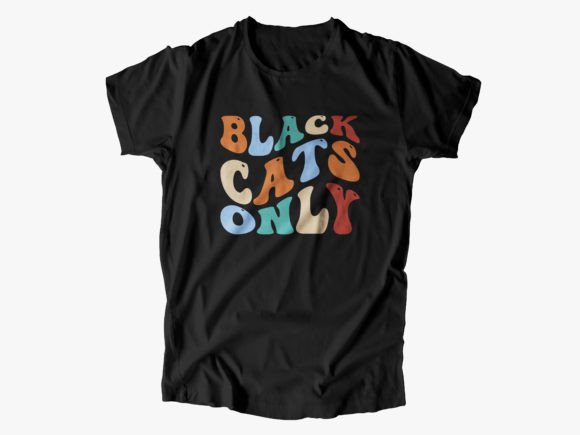
Wave T Shirt Design
A Designer’s First Look: Calm, Clear, and Craft-Ready
When I opened Wave T Shirt Design, my first thought wasn’t “pretty”—it was “breathable.” There’s a quiet confidence in its flow: soft curves, balanced negative space, and just enough organic detail to suggest movement without crowding the eye. It’s not loud or literal—it doesn’t scream “ocean” or “surf.” Instead, it evokes rhythm, gentleness, and continuity—ideal for a handmade tote bag destined for a coastal boutique, or a baby onesie where subtlety reads as care.
Where This Design Naturally Lands
I tested Wave T Shirt Design as part of a small-batch embroidered pillow cover collection for a local nursery shop. The wave motif translated beautifully—not as a literal crest, but as a gentle arc across the upper chest panel of a linen-cotton blend pillow. Customers responded strongly to its calm energy; one even asked if it was inspired by breathing exercises (it wasn’t—but that tells you something about its emotional resonance).
This design fits cleanly into several real-world embroidery projects:
- Custom apparel: Works especially well on relaxed-fit tees, lightweight sweatshirts, and unstructured caps—where fluid lines complement natural drape.
- Personalized gifts: A subtle wave on a tea towel or kitchen apron feels intentional, not generic. It elevates everyday items without overwhelming them.
- Baby embroidery: Its open layout avoids tiny, risky details—no fragile stems or micro-feathers—making it safer and more durable for infant wear.
- Etsy listings & craft fair products: As a digital embroidery file, it’s versatile enough to pair with neutral palettes (think oatmeal linen, heather grey, or soft sage) while still standing out in a crowded marketplace.
What Holds Up Under the Needle—and What Needs Attention
Embroidery isn’t just about how a design looks on screen—it’s about how it behaves when stitched. Here’s what I observed using Wave T Shirt Design across five fabric types and three hoop sizes:
- Stitch density feels moderate: No heavy fill-stitch slabs or dense satin borders—so it stitches quickly and lies flat on knit fabrics like cotton jersey. That’s a win for custom apparel makers juggling tight turnaround times.
- No tiny lettering or fine linework: Unlike some “nature-themed” graphics that cram in birds or paw prints with microscopic detail, this design keeps its focus clean. That means fewer thread breaks, less re-hooping, and better clarity on textured surfaces like terry cloth or brushed fleece.
- It breathes on dark fabric: Because the shape relies on contour rather than contrast-heavy outlines, it reads clearly on navy or charcoal—even with standard 40-weight thread. Just avoid ultra-low-contrast combos (e.g., light grey thread on black).
- Curved surfaces need testing: On a structured cap front, the outer curve softened slightly during stitching—not a flaw, but a reminder to reduce tension or add light cutaway stabilizer if working on rigid, curved substrates.
Where to Proceed With Care
Not every surface is ideal—and that’s okay. Wave T Shirt Design shines brightest when matched thoughtfully:
- Avoid very small hoops (under 3.5”): While scalable, the natural rhythm of the wave depends on a minimum width to read as intentional motion—not a squashed line.
- Thin or highly stretchy fabrics: Use tear-away + light cutaway stabilizer combo. The design’s smooth arcs can pull slightly on unstable knits without proper backing.
- Layered garments (like hoodies with thick pockets): Test placement first—the wave’s balance shifts visually if stitched too close to seams or bulky layers.
- Dense decorative accents: Don’t crowd it with beads, sequins, or heavy topstitching nearby. Its strength is simplicity—let it anchor, not compete.
How It Shapes Perception—Before and After Stitching
In my experience, designs like Wave T Shirt Design quietly raise perceived value. A customer holding a hand-embroidered linen market bag with this motif doesn’t just see “a wave”—they register intention, craftsmanship, and calm confidence. That translates directly to:
- Customer trust: Clean, professional execution signals attention to detail—especially important for Etsy sellers building repeat buyers.
- Brand consistency: It works equally well as a standalone motif or part of a seasonal collection (e.g., paired with minimalist leaf or cloud graphics).
- Giftability: Because it’s soothing—not cutesy or trendy—it crosses age and gender lines gracefully. I’ve used it on wedding guest favors (linen napkins), baby shower towels, and even therapist office pillows.
- Handmade presentation: Unlike overly complex machine embroidery designs that look “busy,” this one lets the fabric and stitch texture shine through—enhancing, not masking, the handmade feel.
Practical Notes Every Embroiderer Should Run Through
Before cutting fabric or loading your hoop:
- Test on scrap first—especially if using textured or dark fabric. Watch how the wave’s outer edge settles.
- Check thread color contrast in both natural and artificial light. Some ecru threads disappear on oatmeal linen until you step back three feet.
- Review stitch density visually—not just in software. Does the fill feel even? Are there any abrupt transitions between satin and running stitch?
- Confirm hoop size compatibility. If your smallest hoop is 4”, scale accordingly—don’t force it smaller.
- Inspect corners and endpoints. Does the wave taper cleanly? Or does it end abruptly? Smooth termination matters for wearability.
- Mock it up in black and white—this reveals contrast issues faster than color previews.
- Use appropriate stabilizer: Light cutaway for knits, tear-away for stable wovens, and fusible + tear-away for delicate fabrics like rayon blends.
- Verify licensing before selling finished products or bundling with other digital embroidery files. Since Wave T Shirt Design is described as “Fully custom design, original, unique,” confirm whether commercial use is included—especially if you’re an Etsy seller or small shop product creator.
Final Thought: A Quiet Workhorse, Not a Flashy Gimmick
Wave T Shirt Design won’t dominate a tradeshow booth—but it will earn repeat orders from customers who value quiet quality over loud novelty. It’s the kind of embroidery file that becomes a staple: reliable across fabric types, adaptable across seasons, and respectful of both maker time and wearer comfort. Whether you’re stitching baby embroidery, holiday embroidery, or building a cohesive line of craft business merchandise, this design earns its place—not because it shouts, but because it holds space with grace.