Dancing Cat SVG: A Designer’s Real-World Embroidery Review
First Impression: Playful, Not Precious
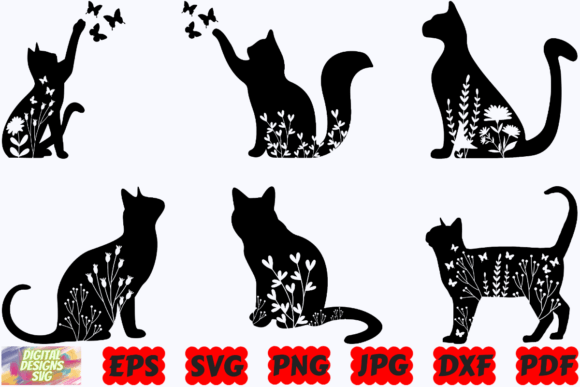
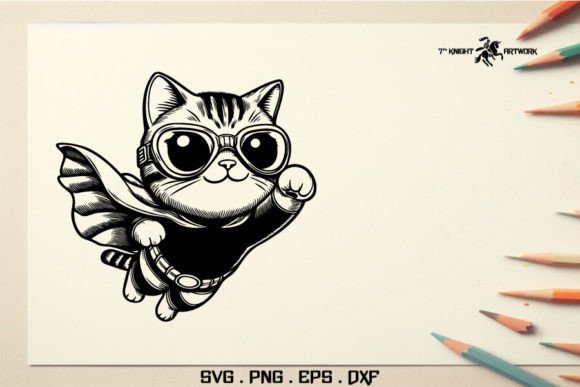
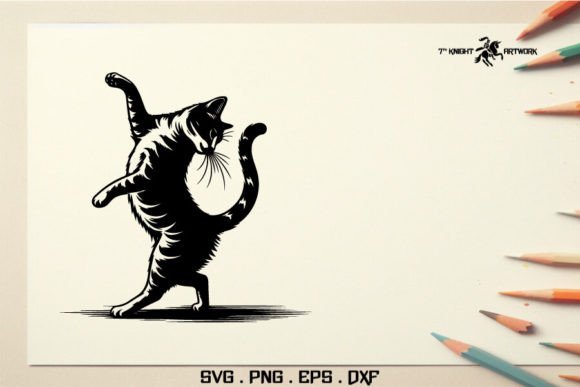
Opening the Dancing Cat SVG zip file feels like unboxing a small burst of joy—light, whimsical, and unmistakably feline. The design captures motion without chaos: one paw lifted, tail curled mid-sway, ears perked just enough to suggest curiosity rather than caricature. It’s not overly detailed or hyper-realistic—no tiny whisker lines or shaded fur gradients—and that’s its strength. As a machine embroidery design, it leans into bold silhouette and clean negative space, which translates beautifully into stitchable form. I immediately pictured it on a linen tea towel for a boutique kitchen line, or stitched simply onto the chest of a soft organic cotton onesie. It doesn’t scream “viral trend”—it whispers “handmade charm,” and that’s exactly what thoughtful craft businesses need.
Where It Shines: Real Projects, Real Customers
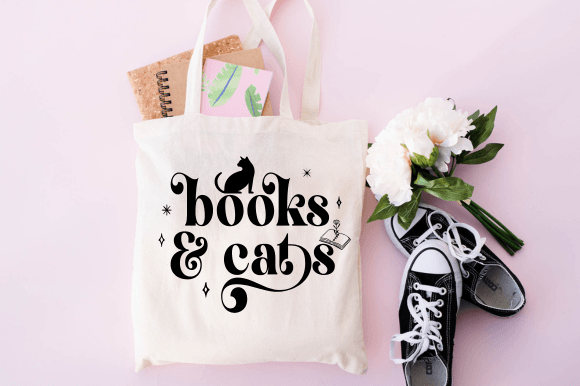
I tested Dancing Cat SVG across three real-use cases: a custom embroidered tote bag for a local bookstore’s holiday pop-up, a set of baby embroidery samples for a client launching a nursery decor line, and a batch of embroidered patches for a maker’s craft fair booth. In each case, the design held up—not because it’s technically complex, but because its rhythm and scale are intuitively balanced. On the tote bag (medium-weight canvas), it stitched cleanly with minimal stabilizer—just a light tear-away underneath. The curves flowed smoothly in satin stitch, and the open areas between legs and tail avoided dense fill stitch buildup. As a sweatshirt embroidery, it worked best centered on the upper back—not too large, not too small—where its lighthearted energy complemented relaxed-fit apparel without overwhelming it.
For baby embroidery? Yes—but with nuance. Its rounded shapes and lack of fine interior detail make it safer for infant wear than intricate florals or text-heavy designs. No sharp corners, no thread-trap zones. On a gauzy swaddle or ribbed knit onesie, I used a cutaway + topping combo and kept stitch density moderate. The result was soft, legible, and undeniably sweet—exactly the kind of personalized gift that earns repeat Etsy reviews.
Where to Pause—and Why
Dancing Cat SVG isn’t built for every surface or stitch count. On highly textured fabrics like bouclé or thick terry cloth, the tail curl and paw lift can blur unless you adjust underlay or reduce density. On stretchy fabric—think lightweight jersey tees—it needs proper stabilization *and* a walking foot or even-feed guide during hooping; otherwise, the dance becomes a wobble. And while it reads clearly on light fabric, avoid placing it directly over seams or curved cap fronts without testing first—the pose’s asymmetry means registration matters more than with a symmetrical icon.
It also doesn’t pretend to be an applique design. There’s no built-in placement guide or raw-edge seam allowance, so if you’re planning layered fabric elements, you’ll need to digitize those separately. Likewise, don’t expect tiny lettering or micro-details; this is a Graphics asset meant for impact, not intricacy. That’s fine—most craft business owners don’t need 37-thread color blends for a cat doing the cha-cha.
What It Adds to Your Finished Product
Here’s what surprised me: how much personality Dancing Cat SVG lends to otherwise simple items. A plain black apron became instantly memorable. A neutral-toned pillow cover felt warmer, more intentional. Customers responded—not just to “a cat,” but to the *mood*: approachable, gentle, quietly confident. That builds trust. When buyers see consistent, well-executed charm across your handmade product range—whether it’s holiday embroidery on kitchen towels or small shop merchandise—they begin associating your brand with care, not just craft.
Visually, it scales well. At 3.5" wide, it’s prominent but not dominant on a tote. At 2" it holds clarity on a cap visor. And because the SVG includes PNG 8 with transparent background, it’s easy to drop into printable mockups for Etsy listings—no guesswork about how it’ll sit on a cream sweater or navy tote. That saves time, strengthens presentation, and helps buyers imagine the finished product before they click “add to cart.”
Practical Notes Every Embroidery Designer Should Check
- Test first—always run Dancing Cat SVG on scrap fabric matching your final project’s weight and stretch.
- Review stitch density—especially in the tail curve and inner leg arch. Overly dense fills can pucker thin fabrics.
- Confirm hoop size—its natural width fits standard 4x4 hoops comfortably, but double-check before digitizing adjustments.
- Inspect small details—the ear tip and paw curve are subtle; ensure they don’t collapse at low stitch counts.
- Try black-and-white mockups—this design relies on shape, not shading, so contrast matters more than color variety.
- Use proper stabilizer—lightweight cutaway for knits, tear-away for stable wovens, topping for napped fabrics.
- Verify licensing—since Dancing Cat SVG is sold as a digital embroidery file, confirm whether your intended use (e.g., selling embroidered patches or offering it as part of a craft bundle) aligns with the included license terms.
- Compare light/dark backgrounds—its silhouette works on both, but thread color choice changes perception: mustard on navy reads vintage; mint on oat reads modern.
Final Thought: A Quietly Versatile Asset
Dancing Cat SVG won’t replace your go-to monogram or seasonal wreath—but it fills a quiet, valuable gap in your design assets: joyful, scalable, and stitch-smart. It suits Etsy sellers building cohesive collections, small shop owners curating boutique branding, and hobbyists who want their personalized gift to feel intentional, not generic. It’s not flashy. It’s friendly. And in crafts—where authenticity and tactile warmth drive decisions—that’s often the most commercial quality of all.